
Blog
Boxing vs Kickboxing: How the Training, Techniques and Rules Compare
Learn about boxing vs kickboxing. Compare techniques, rules and training, then try beginner-friendly classes at Trillium MMA in Scarborough or Markham.

Thinking about trying a striking martial art but unsure whether boxing or kickboxing is right for you? You’re not alone. Both offer challenging workouts, practical striking skills, and opportunities to build confidence. However, the techniques, training styles and competition rules differ.
The biggest difference between boxing and kickboxing is straightforward: boxing focuses on punches, while kickboxing combines punches with kicks. That distinction changes everything from footwork and defence to how you approach an opponent.
At Trillium MMA, beginners and experienced athletes train in a welcoming environment with coaches who actively compete. Whether you’re exploring kickboxing in Scarborough or looking for martial arts classes in Markham, understanding these differences can help you choose where to start.
What Is the Main Difference Between Boxing and Kickboxing?
Boxing is a combat sport built around punching, movement and defence. Fighters use their fists to attack legal targets while relying on footwork, head movement and blocking to avoid incoming punches.
Kickboxing incorporates boxing techniques but adds kicks, creating more attacking options and defensive considerations.
Here’s how they compare:
|
Feature |
Boxing |
Kickboxing |
|
Main techniques |
Punches |
Punches and kicks |
|
Common strikes |
Jabs, crosses, hooks, uppercuts |
Punches, roundhouse kicks, front kicks |
|
Footwork |
Punching angles and positioning |
Movement adapted for punches and kicks |
|
Defence |
Guards, slips, blocks, footwork |
Guards, blocks, evasions, kick checks |
|
Equipment |
Boxing gloves, hand wraps |
Gloves, hand wraps, shin guards |
|
Training focus |
Punching precision and combinations |
Full-body striking and combinations |
Both require coordination, timing, and consistent practice.
Boxing vs Kickboxing Techniques: What Will You Learn?
Boxing Techniques
Boxing focuses on developing effective punching mechanics.
Beginners typically learn four foundational punches:
- Jab: A quick lead-hand punch used to manage distance.
- Cross: A straight rear-hand punch that generates power through rotation.
- Hook: A curved punch commonly aimed at the head or body.
- Uppercut: An upward punch used at closer range.
You’ll also practise defensive movements, including slipping punches, maintaining your guard, and moving around an opponent.
Kickboxing Techniques
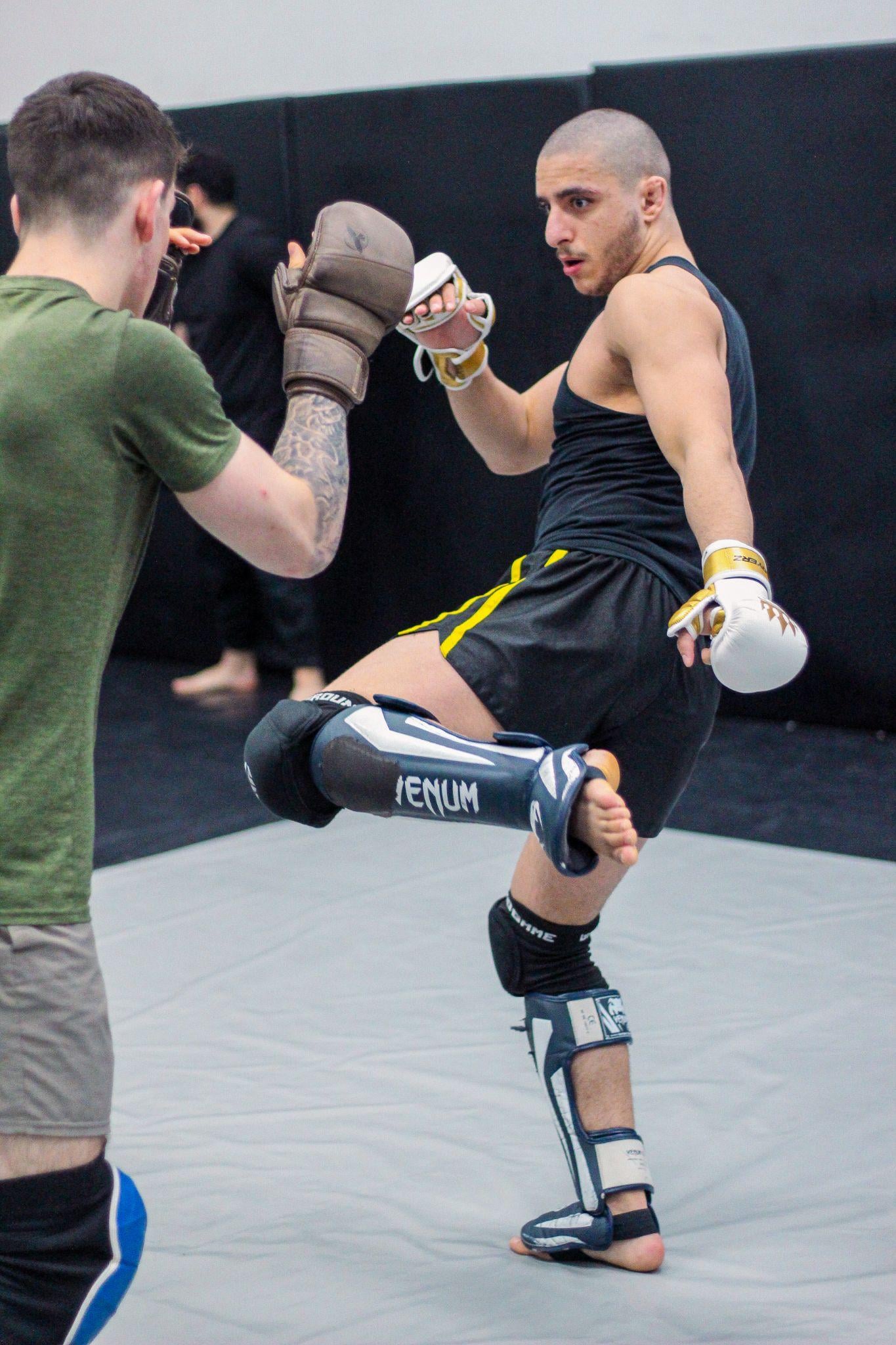
Kickboxing builds on punching fundamentals by introducing lower-body strikes.
Common techniques include roundhouse kicks, front kicks, low kicks and punch-to-kick combinations.
Depending on the ruleset, training may also include knees, clinch techniques, and other strikes.
At Trillium MMA, the kickboxing program includes Muay Thai, boxing, and Sanda influences, giving students exposure to different striking approaches.
Boxing vs Kickboxing Rules: How Do Competitions Differ?
Competition rules influence how athletes train and fight.
Boxing Rules
In standard competitive boxing:
- Only punches are permitted.
- Strikes must land on legal target areas.
- Kicks, knees and elbows are prohibited.
- Fighters compete in timed rounds.
- Judges evaluate effective punching and other scoring criteria.
Kickboxing Rules
Kickboxing rules vary by organization and discipline.
Most competitive formats allow punches and kicks, although permitted targets and techniques differ.
For example, some rulesets permit low kicks, while others restrict them. Knees and clinching may also be allowed or prohibited.
Muay Thai vs kickboxing is another important distinction. Muay Thai generally incorporates punches, kicks, knees, elbows, and clinch work, while many kickboxing formats use a narrower range of techniques.
Which Is Better for Fitness: Boxing or Kickboxing?
Both martial arts provide demanding workouts that build cardiovascular endurance, coordination, and muscular strength.
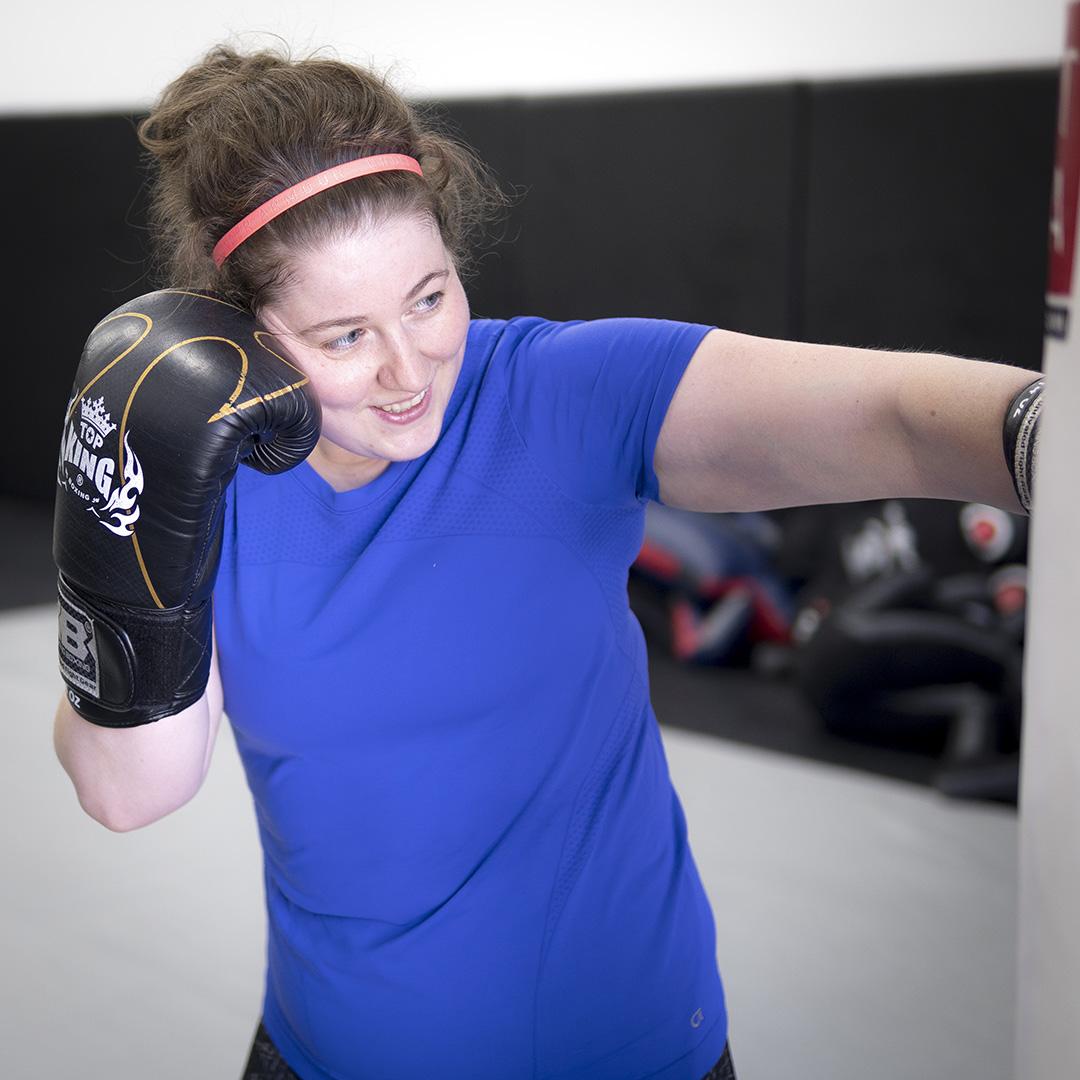
Boxing sessions commonly include shadowboxing, bag work, footwork drills, and partner exercises.
Kickboxing introduces additional kicking movements, requiring coordination between the upper and lower body.
Research supports the physical demands of these activities.
A 2011 study published in the Journal of Sports Science & Medicine examined the physiological responses associated with recreational boxing training, highlighting its potential as vigorous exercise.
However, the best workout depends on class intensity, individual effort and consistency.
Neither discipline is automatically better for everyone.
A 2014 study involving 30 participants found that five weeks of kickboxing training improved aerobic fitness, flexibility, speed and agility among the training group.
Is Boxing or Kickboxing Better for Self-Defence?
Both disciplines teach useful striking fundamentals, including distance management, timing and defensive awareness.
Boxing develops punching accuracy, evasive movement and the ability to respond under pressure.
Kickboxing adds kicking techniques, giving practitioners additional ways to manage distance.
However, neither guarantees personal safety. Avoiding confrontation, recognizing danger and leaving unsafe situations remain essential.
For those interested in broader martial arts training, combining striking with Brazilian Jiu-Jitsu introduces grappling and ground-control techniques.
Boxing vs Kickboxing for Beginners: Which Should You Choose?
You don’t need previous martial arts experience to start either discipline.
Choose boxing if you enjoy developing punching combinations, precise footwork and defensive movement.
Consider kickboxing if you want to explore both punching and kicking techniques.
A 2014 review published in Sports Medicine highlighted the considerable cardiovascular and physical demands of competitive boxing, demonstrating the importance of conditioning alongside technical development.
For beginners, the most important consideration is finding instruction that matches your experience, interests, and goals.
At Trillium MMA, adults and teens aged 15+ can develop striking fundamentals in a supportive training environment.
Can You Learn Boxing and Kickboxing Together?
Absolutely. Boxing fundamentals are valuable in kickboxing because punches, defensive positioning, and footwork remain important.
Learning both can help you understand different striking distances and combinations.
A 2023 research review examining 16 documents also identified promising psychological benefits associated with non-contact boxing exercise, although researchers emphasized the need for stronger evidence.
Whether you’re training recreationally or considering competition, consistent practice and proper coaching matter more than choosing one discipline right away.
Where Can You Try Kickboxing in Scarborough or Markham?
Trillium MMA offers beginner-friendly martial arts instruction at two Greater Toronto Area locations.
- Scarborough: 770 Birchmount Rd, Unit 27, near Birchmount and Eglinton. Convenient for residents of East York, Golden Mile, Wexford, Clairlea and Kennedy Park.
- Markham: 343 Rodick Rd, Unit 2, near Rodick and 14th Avenue. Accessible from Milliken, Unionville, Thornhill and surrounding communities.
Both locations offer free parking.
Check the Scarborough class schedule or Markham class schedule to find suitable training times.
Start Your Martial Arts Journey at Trillium MMA
Ultimately, the boxing vs kickboxing decision comes down to your interests. Boxing develops specialized punching skills, while kickboxing expands your striking options with kicks.
At Trillium MMA, you’ll find world-class instruction from active competitors in a chill, laid-back atmosphere.
Ready to experience it yourself? Explore our kickboxing classes and book your $30 one-week adult trial in Scarborough or Markham. No experience necessary; just show up ready to learn!
Keep reading
Getting Started
What to Expect at Your First Martial Arts Class
Thinking about trying a class but not sure what happens when you walk in? Here's how to get started at Trillium MMA, step by step.
Programs
Kickboxing, BJJ or MMA: Which Should You Try First?
Striking, grappling or both? A quick guide to our three adult programs to help you choose where to start.
Kids & Youth
Martial Arts for Kids: Which Class Fits Your Child's Age?
From Mini BJJ for 3-year-olds to Kids & Youth Kickboxing for ages 6–14, here is how our junior programs work and how to pick the right class.