
Blog
Muay Thai vs Kickboxing: What’s the Difference, and Which Should You Try?
Learn the difference between muay thai vs kickboxing, compare techniques and benefits, and find beginner-friendly classes at Trillium MMA in Scarborough and Markham.
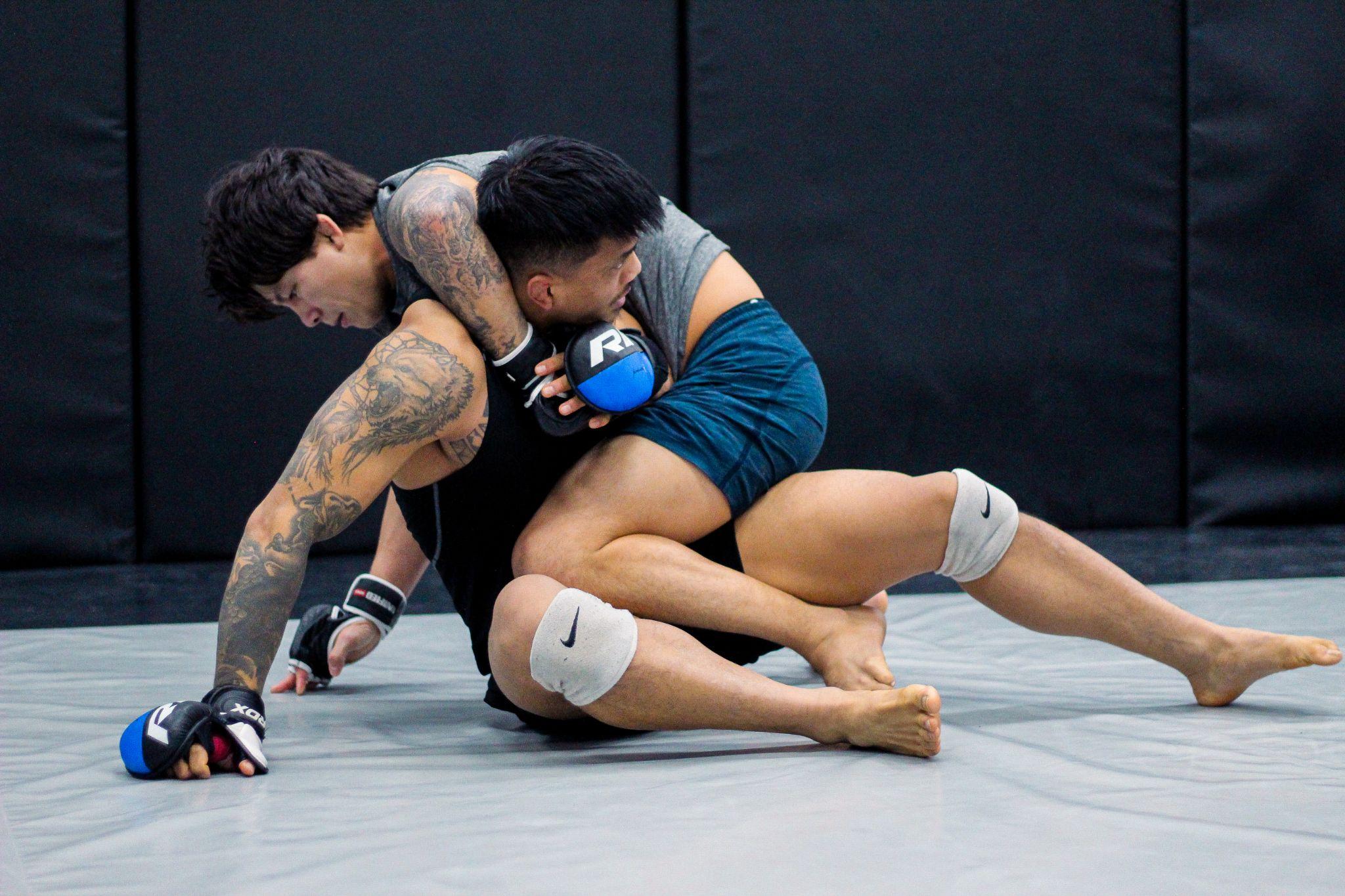
Thinking about trying martial arts but unsure whether Muay Thai or kickboxing is right for you? Both offer exciting ways to stay active, learn striking techniques, and build confidence. However, their rules, techniques, and training styles differ in important ways. Choosing the right discipline can make your first martial arts experience more enjoyable and rewarding.
At Trillium MMA, we help beginners explore Muay Thai and kickboxing through welcoming classes in Scarborough and Markham. Whether you’re interested in fitness, self-defence, or eventually competing, understanding these differences can help you choose the right starting point.
What Is the Difference Between Muay Thai and Kickboxing?
The biggest difference between Muay Thai and kickboxing is the range of striking techniques permitted.
Muay Thai, known as the Art of Eight Limbs, uses punches, kicks, knees, and elbows. It also incorporates clinching, where fighters control their opponent’s position while standing.
Kickboxing generally emphasizes punches and kicks, though some styles allow limited knee strikes and clinching.
Here’s a quick comparison:
|
Feature |
Muay Thai |
Kickboxing |
|
Punches |
Yes |
Yes |
|
Kicks |
Yes |
Yes |
|
Elbows |
Yes |
Usually prohibited |
|
Knees |
Yes |
Depends on the rules |
|
Clinching |
Extensive |
Usually limited |
|
Primary focus |
Eight-limb striking |
Punching and kicking combinations |
|
Beginner-friendly |
Yes |
Yes |
Neither martial art is automatically better. Your choice depends on your interests, comfort level, and goals.
What Is Muay Thai?
Muay Thai originated in Thailand and combines striking techniques with close-range control.
Unlike most kickboxing styles, Muay Thai incorporates elbows, knees, and extended clinching alongside traditional punches and kicks.
What Does Muay Thai Training Include?
Typical Muay Thai classes introduce:
- Punching and kicking combinations
- Knee and elbow techniques
- Footwork and defensive movements
- Clinch positioning and control
- Pad work and partner drills
Beginners learn these techniques progressively, focusing on proper movement before increasing intensity.
Muay Thai appeals to people who enjoy learning a broad range of standing-striking techniques.
What Is Kickboxing?
Kickboxing combines boxing-style punches with kicking techniques. Different styles emphasize combinations, footwork, timing, and defensive movement.
What Happens During Kickboxing Training?
Beginner kickboxing classes commonly include:
- Jabs, crosses, hooks, and uppercuts
- Front kicks and roundhouse kicks
- Footwork and defensive drills
- Heavy-bag and pad exercises
- Partner training and conditioning
Kickboxing offers an engaging way to practise coordination while developing striking fundamentals.
According to Statistics Canada’s 2026 research on physical activity trends, only 46% of Canadian adults aged 18–79 met recommended physical activity levels during 2022–2024.
Although this research did not specifically examine kickboxing, structured martial arts classes can help you incorporate regular physical activity into your weekly routine.
Muay Thai vs Kickboxing: Which Is Better for Beginners?
Both martial arts suit beginners, even without prior training experience.
The main consideration is which techniques and training environment interest you most.
Choose Muay Thai If You Want To:
- Learn punches, kicks, knees, and elbows.
- Explore clinching and close-range striking.
- Understand traditional Thai striking techniques.
- Develop a broader standing-striking skill set.
Choose Kickboxing If You Want To:
- Focus primarily on punches and kicks.
- Practise combinations and footwork.
- Develop coordination through striking drills.
- Start with a straightforward introduction to martial arts.
At Trillium MMA, beginners train with supportive coaches who understand that everyone starts somewhere.
You don’t need exceptional fitness or previous martial arts experience to begin.
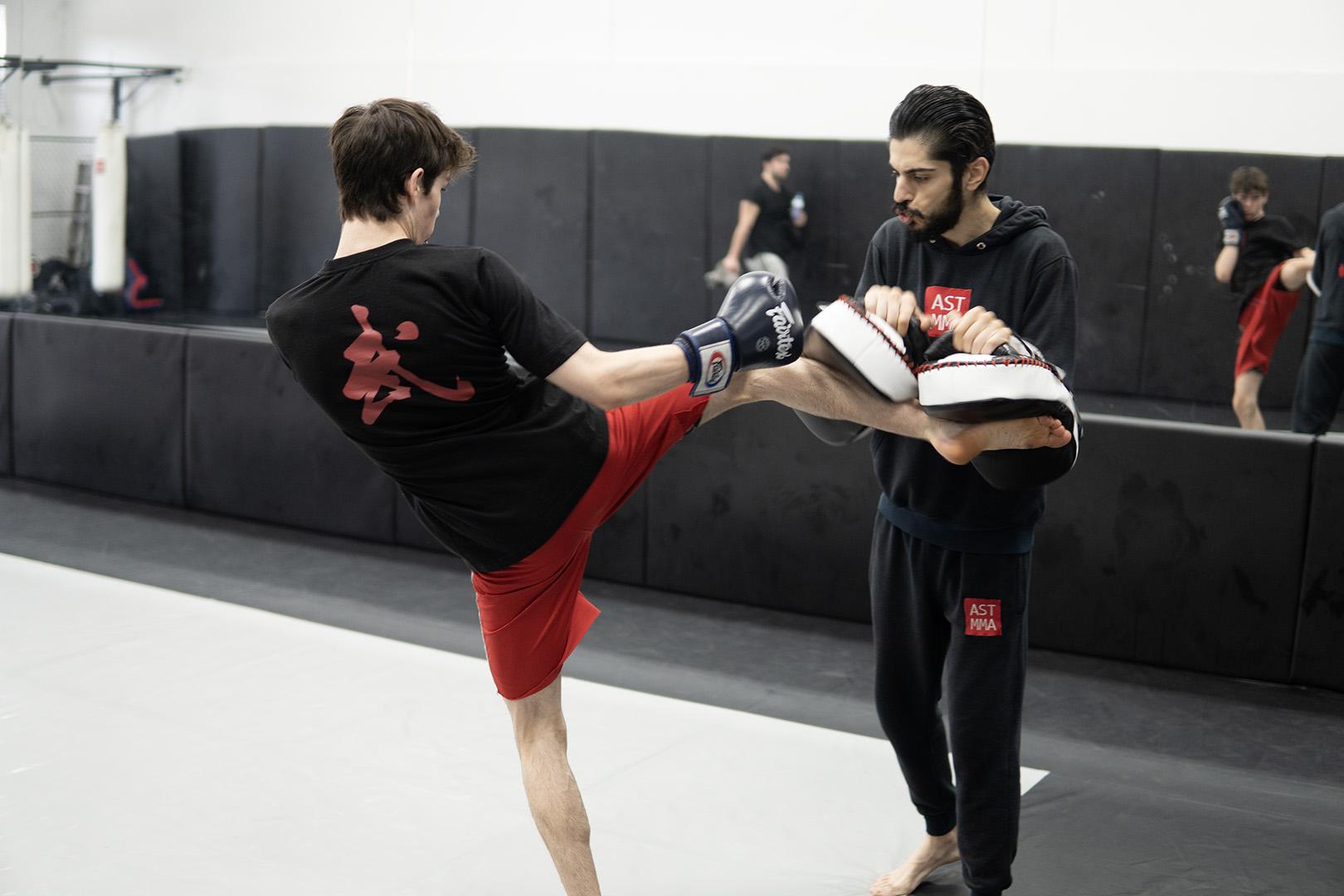
Is Muay Thai or Kickboxing Better for Self-Defence?
Both Muay Thai and kickboxing teach useful striking fundamentals, including balance, distance management, timing, and defensive movement.
Muay Thai offers additional close-range techniques through clinching, knees, and elbows.
Kickboxing emphasises movement, punching combinations, and kicking accuracy.
However, neither guarantees personal safety during a confrontation. Awareness, avoiding escalation, and leaving dangerous situations remain important.
For those interested in learning ground-based techniques, Brazilian Jiu-Jitsu introduces grappling, positional control, and submissions.
Combining striking and grappling can broaden your understanding of martial arts.
Which Martial Art Gives You a Better Workout?
Both Muay Thai and kickboxing involve repeated movements that challenge coordination, muscular endurance, and cardiovascular fitness.
Muay Thai incorporates additional techniques such as clinching and knees, while kickboxing frequently emphasises continuous punching and kicking combinations.
A 2025 Statistics Canada study examining physical activity and sedentary behaviour found that Canadian adults spent an average of 9.3 hours daily in sedentary activities during 2022–2024.
Regular martial arts classes can offer a structured alternative to spending extra leisure time sitting.
However, workout intensity depends more on class structure, individual effort, and experience than the martial art itself.
Can You Learn Both Muay Thai and Kickboxing?
Absolutely!
Learning both disciplines can help you understand different striking techniques and movement approaches.
At Trillium MMA, our kickboxing programme includes striking disciplines such as Muay Thai, boxing, and Sanda.
Our coaches are active competitors who bring practical experience into training while maintaining a relaxed, beginner-friendly environment.
You can explore different techniques without feeling pressured to compete.
How Often Should Beginners Train Muay Thai or Kickboxing?
For many beginners, starting with two classes a week gives you time to practise techniques while adjusting to training.
Consistency matters more than training every day right away.
A separate finding from Statistics Canada’s 2026 physical activity research showed that 27% of Canadian adults were just five to ten additional minutes of daily moderate-to-vigorous activity away from meeting recommended levels.
This highlights how small increases in physical activity can support broader fitness goals.
For beginners, the priority should be developing sustainable training habits rather than pushing too hard during the first few weeks.
Where Can You Try Muay Thai or Kickboxing in Scarborough and Markham?
Trillium MMA offers martial arts training at two locations in the Greater Toronto Area.
- Scarborough: 770 Birchmount Rd, Unit 27, near Birchmount and Eglinton. Convenient for residents of East York, Golden Mile, Wexford, Clairlea, and Kennedy Park.
- Markham: 343 Rodick Rd, Unit 2, near Rodick Road and 14th Avenue. Accessible from Milliken, Unionville, Thornhill, and nearby communities.
Both locations offer free parking.
Adults and teens aged 15+ can explore training through the $30 one-week adult trial.
Check the Scarborough class schedule or Markham class schedule to find a suitable session.
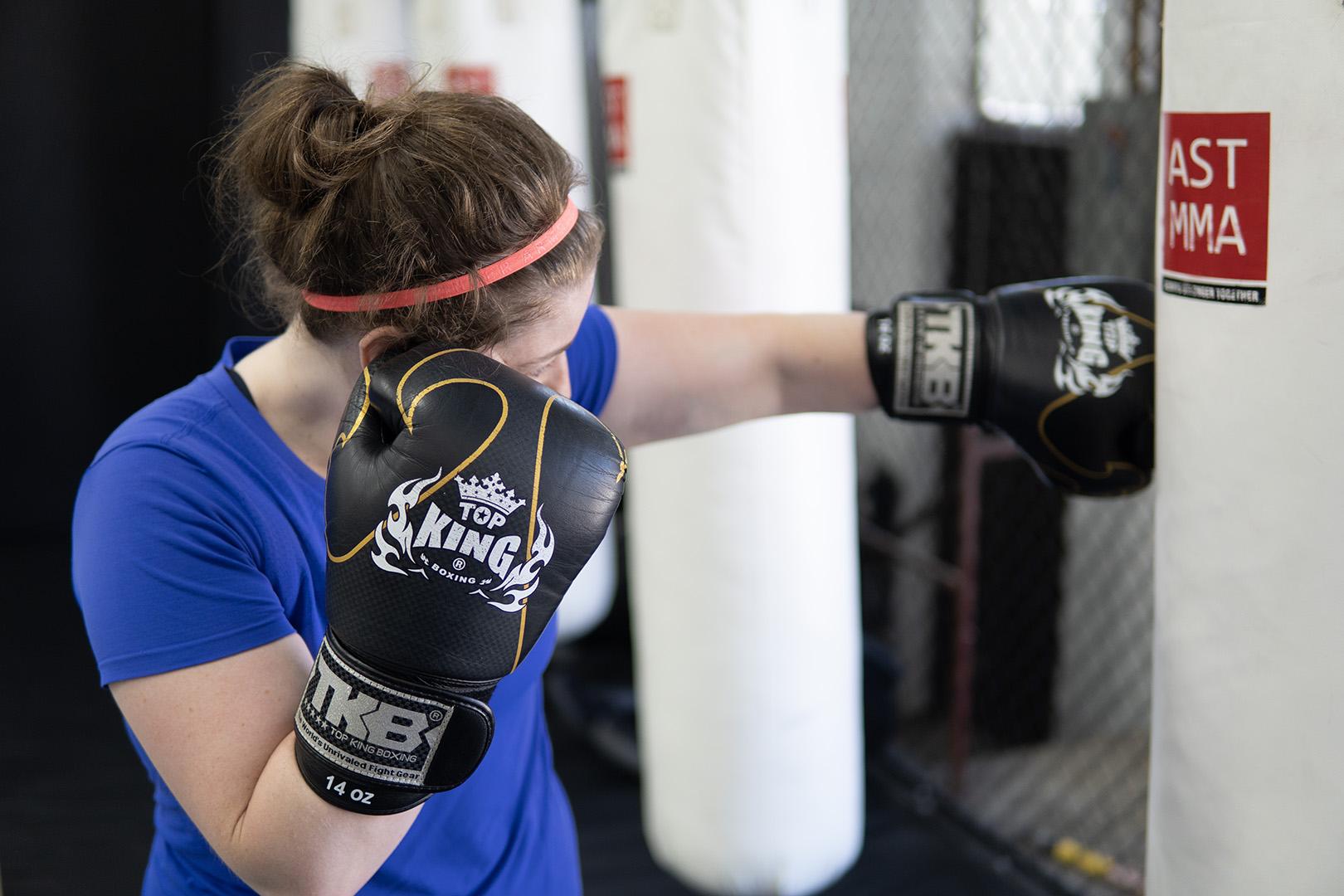
Ready to Try Muay Thai or Kickboxing? Start at Trillium MMA
The best way to decide between Muay Thai and kickboxing is to experience training firsthand.
Whether you’re completely new or returning after a break, Trillium MMA offers world-class instruction in a chill, laid-back atmosphere.
Explore our kickboxing classes and visit Trillium MMA to start your $30 one-week adult trial today.
Keep reading
Blog
Boxing vs Kickboxing: How the Training, Techniques and Rules Compare
Learn about boxing vs kickboxing. Compare techniques, rules and training, then try beginner-friendly classes at Trillium MMA in Scarborough or Markham.
Getting Started
What to Expect at Your First Martial Arts Class
Thinking about trying a class but not sure what happens when you walk in? Here's how to get started at Trillium MMA, step by step.
Programs
Kickboxing, BJJ or MMA: Which Should You Try First?
Striking, grappling or both? A quick guide to our three adult programs to help you choose where to start.